Community · 4 min
The beauty of moving across generations
Something very special happens when children and older adults come together through music and movement.
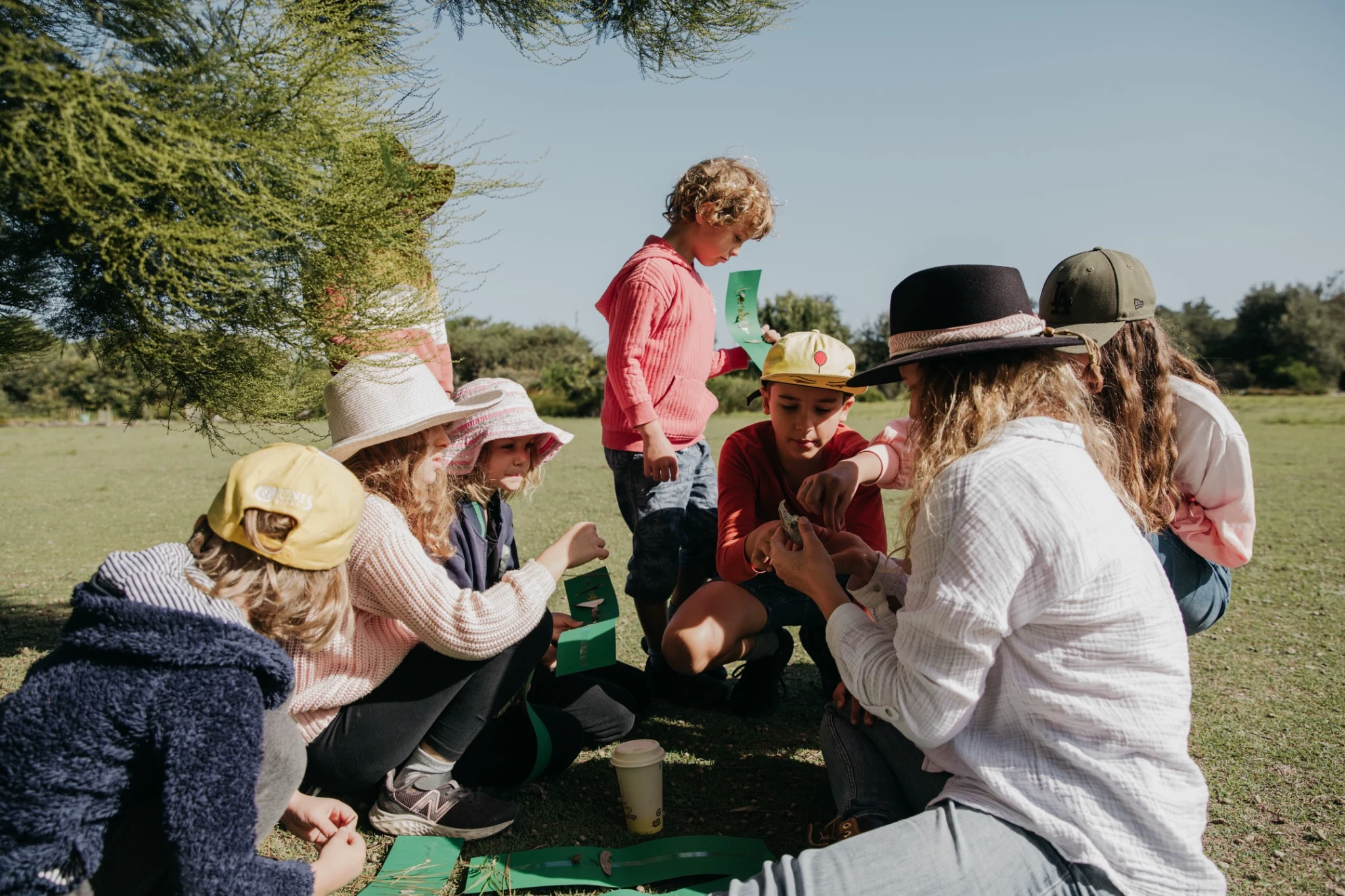
A familiar song may awaken a treasured memory. A child’s enthusiasm can bring laughter and energy into the room. An older person’s story can offer a young participant a glimpse into another time, place or culture.
In these moments, age becomes less important than the experience being shared.
Casa Cuba’s intergenerational programs use Cuban-inspired music, accessible movement, storytelling and nature connection to create meaningful encounters between younger and older participants. The purpose is not performance or perfect technique. It is to create a welcoming space where people can notice, respond to and learn from one another.
Research into intergenerational programs suggests they may support relationships, social connection, perceptions between age groups and aspects of older adults’ health and wellbeing. One research review found positive associations between organised intergenerational interactions and older adults’ psychosocial health, cognitive function, social relationships and quality of life. Other reviews report encouraging findings alongside important limitations, reminding us that programs need to be thoughtfully designed and evaluated.
This thoughtful design matters to us.
Activities need to be adaptable, enjoyable and respectful of different bodies, communication styles and energy levels. A participant might dance from a chair, play a percussion instrument, copy a child’s movement, share a memory or simply enjoy watching the group.
Music provides common ground. Cuban culture brings warmth, storytelling and celebration. Nature-based activities can introduce another gentle point of connection—through leaves, colours, seasonal changes or memories of meaningful places.
Children discover patience, empathy and an appreciation for lived experience. Older adults are invited to share their identity, knowledge and creativity. Both generations are given something equally important: an opportunity to feel noticed and valued.
When generations move together, they are not simply sharing an activity. They are building relationships, exchanging stories and creating new memories. Different generations. One shared rhythm.
Research references
Explore the evidence
- Gualano et al. (2018), The impact of intergenerational programs on children and older adults: a review ↗
- Canedo-García et al. (2017), A Systematic Review of the Effectiveness of Intergenerational Programs ↗
- Lee et al. (2021), Intergenerational communities and older adults’ health-related outcomes ↗
These findings help inform our programs. They describe population-level research and are not medical advice or a guarantee of individual outcomes.